


The Impact of Using Biodegradable Plates on Our Environment
Understanding biodegradable plates
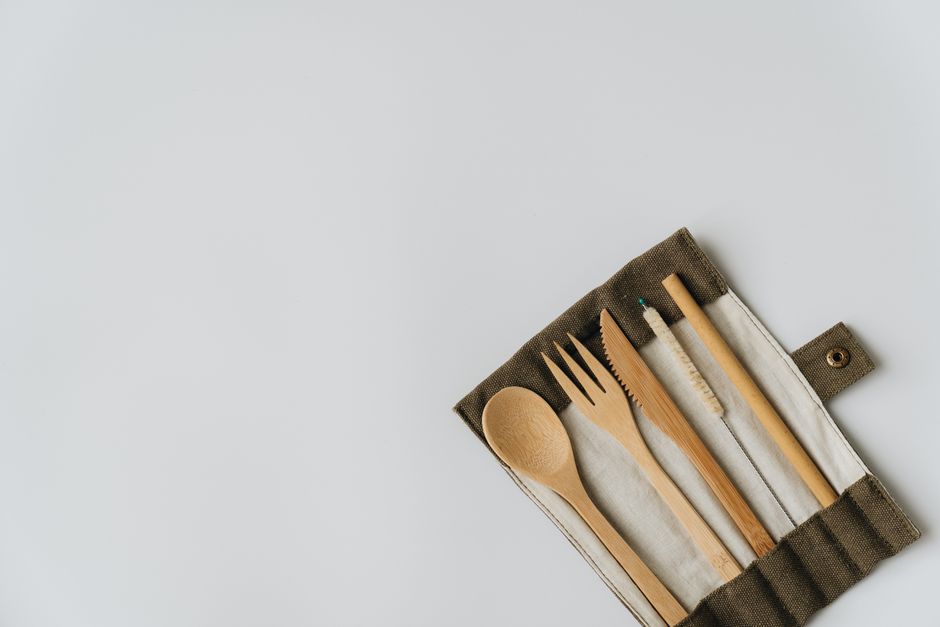
Biodegradable plates are made from materials that can break down naturally in the environment. They are an eco-friendly option for reducing the amount of plastic waste. These plates can be made from materials such as bamboo, sugarcane, or cornstarch, which makes them compostable and better for the environment. Using biodegradable plates can help reduce the amount of plastic pollution and contribute to a healthier planet.
Environmental impact of traditional plates
Traditional plates are usually made from non-biodegradable materials like plastic, Styrofoam, or paper coated with plastic. When these plates are disposed of, they contribute to environmental pollution. Plastic and Styrofoam plates take hundreds of years to decompose, and during this time, they release harmful chemicals into the environment. Additionally, the production of traditional plates contributes to deforestation and the depletion of natural resources. It’s important to consider the environmental impact of using traditional plates and explore more sustainable alternatives.
What are biodegradable plates?
Biodegradable plates are made from natural materials that can easily break down and decompose without causing harm to the environment. These plates are typically made from materials such as sugar cane, bamboo, or palm leaves and do not contain any plastic or harmful chemicals. When disposed of, biodegradable plates can naturally decay and return to the earth without leaving behind toxic residues. This makes them a sustainable alternative to traditional disposable plates and helps reduce the amount of non-biodegradable waste in landfills.
Benefits of using biodegradable plates
Using biodegradable plates provides several benefits for our environment.
-
Reduces waste: Biodegradable plates can easily decompose into natural materials, reducing the amount of waste in landfills.
-
Less pollution: Since biodegradable plates break down naturally, they don’t release harmful chemicals or gases into the environment.
-
Conserves resources: The production of biodegradable plates often uses less energy and resources compared to traditional plastic or paper plates.
-
Supports sustainability: By using biodegradable plates, we contribute to the sustainable management of resources and minimize our impact on the environment.
The composting process
When biodegradable plates are composted, they undergo a natural decomposition process. This process breaks down the plates into organic matter, which can then be used as nutrient-rich soil for plants. It usually takes around 3 to 6 months for biodegradable plates to fully decompose during the composting process. Additionally, the composting of biodegradable plates helps reduce the amount of waste in landfills, making it an environmentally friendly option.
Decomposition timeline of biodegradable plates
Biodegradable plates typically take between 3 to 6 months to decompose fully if they are properly disposed of in a composting facility. However, in a landfill, they may take closer to 2 years to break down due to the lack of oxygen and microbes necessary for decomposition. It’s important to note that the decomposition timeline can vary based on the specific material used in the biodegradable plates and the environmental conditions.
Advantages for our environment
Biodegradable plates are made from natural materials, such as sugarcane or bamboo, that decompose easily in the environment. When you use biodegradable plates, you reduce the amount of plastic waste that ends up in landfills and oceans, helping to protect our planet. Additionally, the production of biodegradable plates has a lower environmental impact compared to traditional plastic plates, as it does not require the use of non-renewable resources. By choosing biodegradable plates, you can play a role in reducing pollution and preserving natural resources.
Challenges in using biodegradable plates
Using biodegradable plates can pose certain challenges, especially in mass consumption scenarios. Some of the challenges include:
-
Limited Durability: Biodegradable plates may not be as durable as traditional plastic or paper plates, making them less suitable for heavy or hot foods.
-
Higher Cost: Biodegradable plates may be more expensive than their non-biodegradable counterparts, which can deter businesses and consumers from making the switch.
-
Limited Availability: Not all restaurants, events, or stores may offer biodegradable plates, limiting accessibility to environmentally friendly options.
These challenges highlight the need for continued innovation and accessibility in the biodegradable plate industry to make them a more practical and sustainable choice for everyday use.
Tips for switching to biodegradable plates
Making the switch to biodegradable plates is an impactful choice for the environment. Here are some simple tips to help you make the transition smoothly:
-
Look for certified biodegradable plates to ensure they meet environmental standards.
-
Consider the source material of the plates, such as bamboo, sugarcane, or palm leaves, for a more sustainable option.
-
Check for compostable plates that can degrade naturally, reducing waste in landfills.
-
Buy in bulk to reduce packaging and transportation emissions.
Conclusion: Embracing biodegradable plates for a greener future
By embracing biodegradable plates, we can contribute to a greener future and reduce the environmental impact of single-use products. Biodegradable plates are made from materials that break down naturally, reducing the amount of waste in landfills. They are a sustainable alternative to traditional disposable plates, and their use can help minimize the strain on our ecosystems. Making the switch to biodegradable plates can be a small but important step in creating a more environmentally friendly world.

